即刻App年轻人的同好社区
下载
 置顶
置顶与许多中国风险投资人不同,我和我的合伙人克里斯不会投资于竞争对手。投资竞争对手是风险投资人能做的最不忠诚和不专注的事情。它显示出完全缺乏信念,并且是懦弱的行为。
一旦我们选择了创始团队,我们就会完全承诺给他们,并确保他们有赢得的最佳机会。对我们来说,忠诚和完全专注是世界一流伙伴关系的基础。即使我们最终错了,错失了赚钱的机会。我们不想投资于Robinhood、Manus、Plaud、Qbit或Wanaka的竞争对手。当我们给你开支票时,那就是我们的承诺。坚持到底。(Grok translation)
Unlike a lot of VCs in China, my partner Chris and I do not invest in competitors. Investing in competitors is the most disloyal and unfocused thing a VC can do. It shows a total lack of conviction and is spineless behavior.
Once we pick a founding team, we commit to them entirely and make sure they have the best chance of winning. To us, loyalty and total focus is the foundation of a world-class partnership. Even if we end up being wrong and leave money on the table. We don’t want to invest in Robinhood, Manus, Plaud, Qbit, or Wanaka competitors. When we write you a check that’s our promise. In it until the end.
一旦我们选择了创始团队,我们就会完全承诺给他们,并确保他们有赢得的最佳机会。对我们来说,忠诚和完全专注是世界一流伙伴关系的基础。即使我们最终错了,错失了赚钱的机会。我们不想投资于Robinhood、Manus、Plaud、Qbit或Wanaka的竞争对手。当我们给你开支票时,那就是我们的承诺。坚持到底。(Grok translation)
Unlike a lot of VCs in China, my partner Chris and I do not invest in competitors. Investing in competitors is the most disloyal and unfocused thing a VC can do. It shows a total lack of conviction and is spineless behavior.
Once we pick a founding team, we commit to them entirely and make sure they have the best chance of winning. To us, loyalty and total focus is the foundation of a world-class partnership. Even if we end up being wrong and leave money on the table. We don’t want to invest in Robinhood, Manus, Plaud, Qbit, or Wanaka competitors. When we write you a check that’s our promise. In it until the end.
122 1522
现在有很多美国VC在访问中国。他们大多数都在浪费创始人的时间,最终不会投资。不过通常人都挺友善的。
见面之前一个有用的筛选问题是:你们的投资委员会(IC)允许你们投资中国吗?或者更好的是:你们最近一次给中国团队打款是什么时候?
或者就开开心心吃顿饭,别抱任何期望。
There are lots of US VCs visiting China now. Most of them are wasting founders time and will never invest. Usually friendly people though. Before meeting them a helpful filtering question is, will your IC allow you to invest in China? Or even better, what was your last check into a team based in China? Or just have a fun meal and enjoy without any expectations.
见面之前一个有用的筛选问题是:你们的投资委员会(IC)允许你们投资中国吗?或者更好的是:你们最近一次给中国团队打款是什么时候?
或者就开开心心吃顿饭,别抱任何期望。
There are lots of US VCs visiting China now. Most of them are wasting founders time and will never invest. Usually friendly people though. Before meeting them a helpful filtering question is, will your IC allow you to invest in China? Or even better, what was your last check into a team based in China? Or just have a fun meal and enjoy without any expectations.
52 135
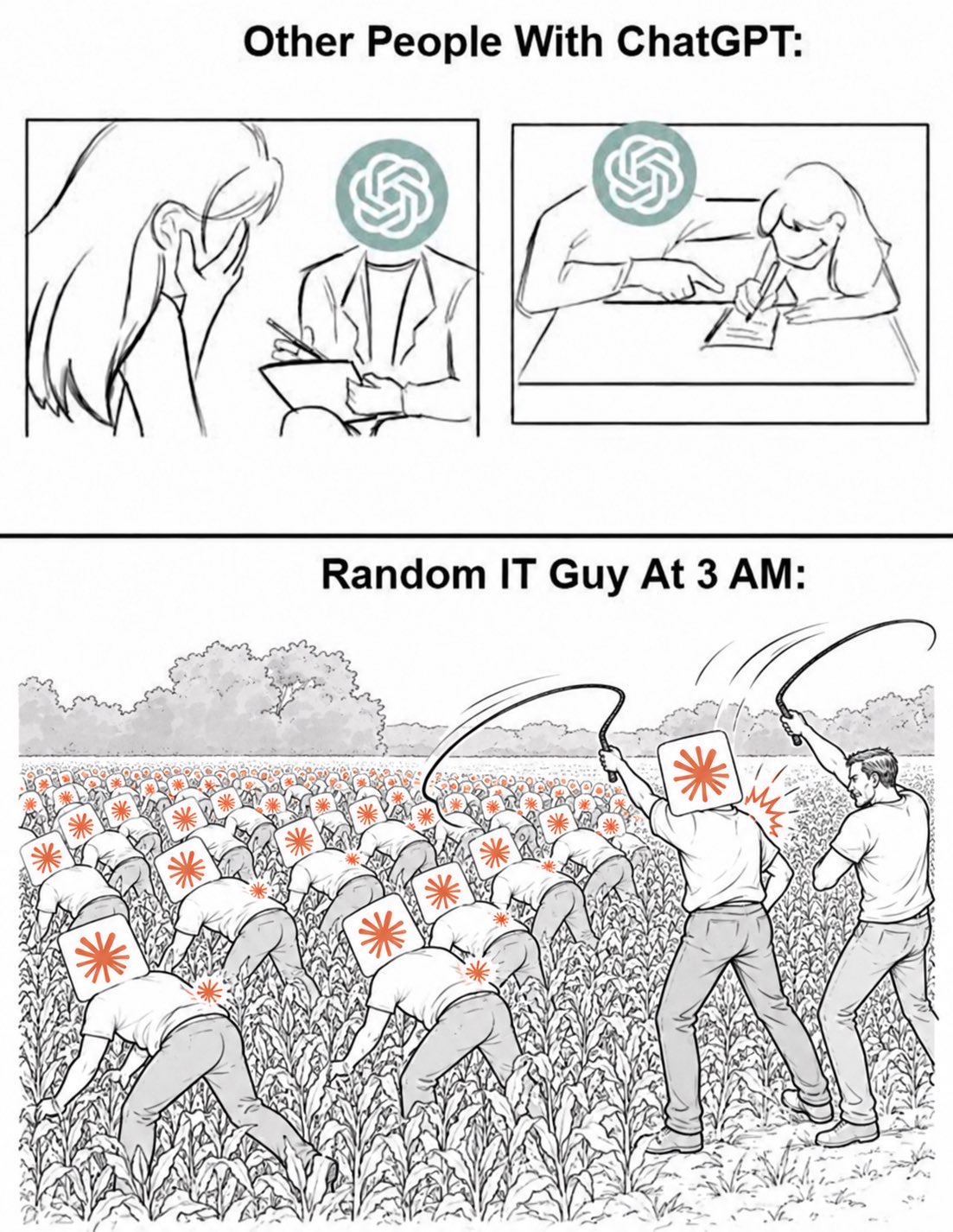
Growing the investor family.
Manus 完成超 5 亿美元新一轮融资
15 00
我想找正在做物理世界仿真(physical world simulation)、以及用 Lean 4 与形式化方法搭建智能体驾驭框架(agentic harnesses)的创始人聊聊。领域可以是化学、物理或生物,唯一排除的是硅(半导体/芯片)。
核心必须是某种真实世界的强化闭环(real-world reinforcement loop)。如果你正在做这件事,请联系我。
I want to talk to founders doing physical world simulation and agentic harnesses using some combination of lean4 and formalization. Can be chemistry, physics, biology. Only exclusion is silicon.
Core concept must be using some sort of real world reinforcement loop. Please reach out if you are doing this.
核心必须是某种真实世界的强化闭环(real-world reinforcement loop)。如果你正在做这件事,请联系我。
I want to talk to founders doing physical world simulation and agentic harnesses using some combination of lean4 and formalization. Can be chemistry, physics, biology. Only exclusion is silicon.
Core concept must be using some sort of real world reinforcement loop. Please reach out if you are doing this.
25 58
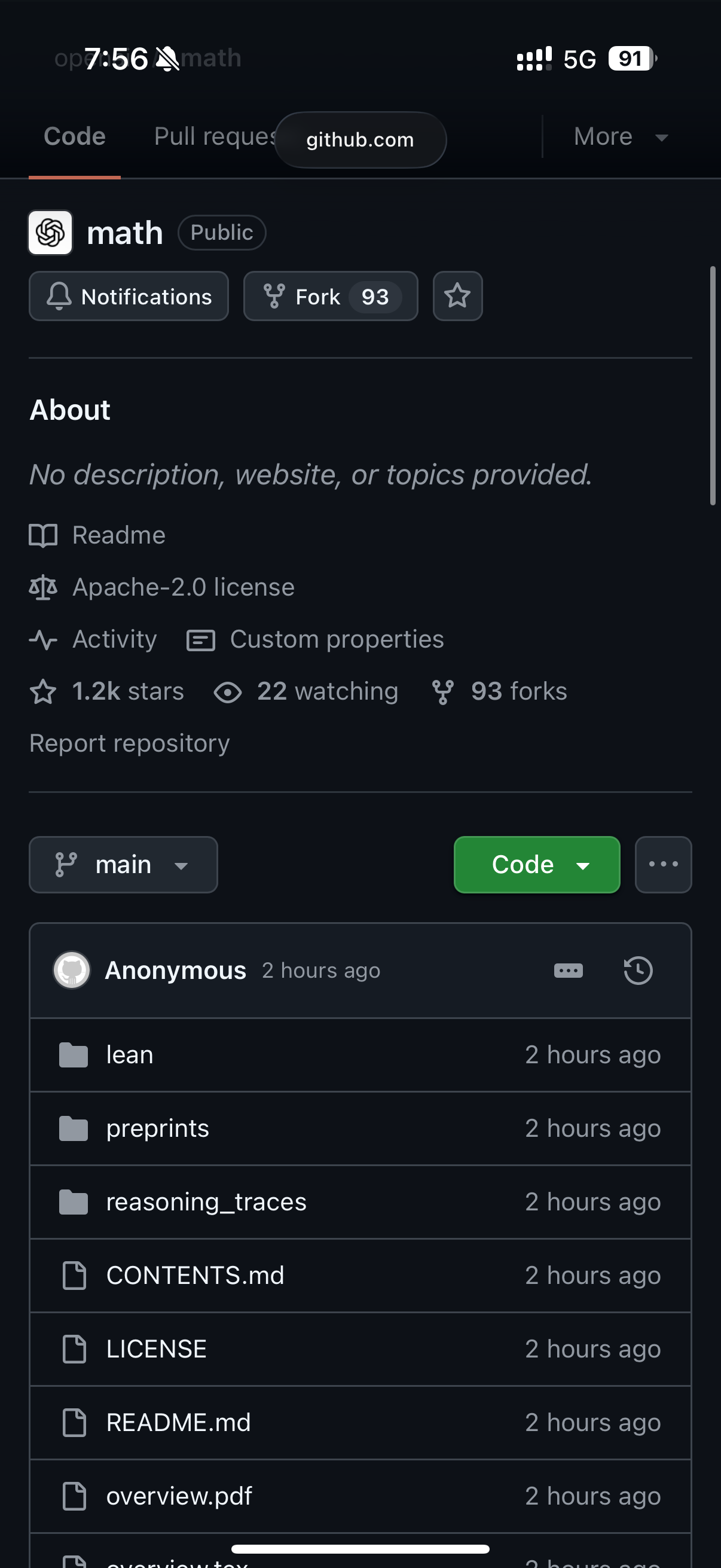
All my friends in SF have no idea what “tech week” is 😂 - clearly for the tourists!
13 31
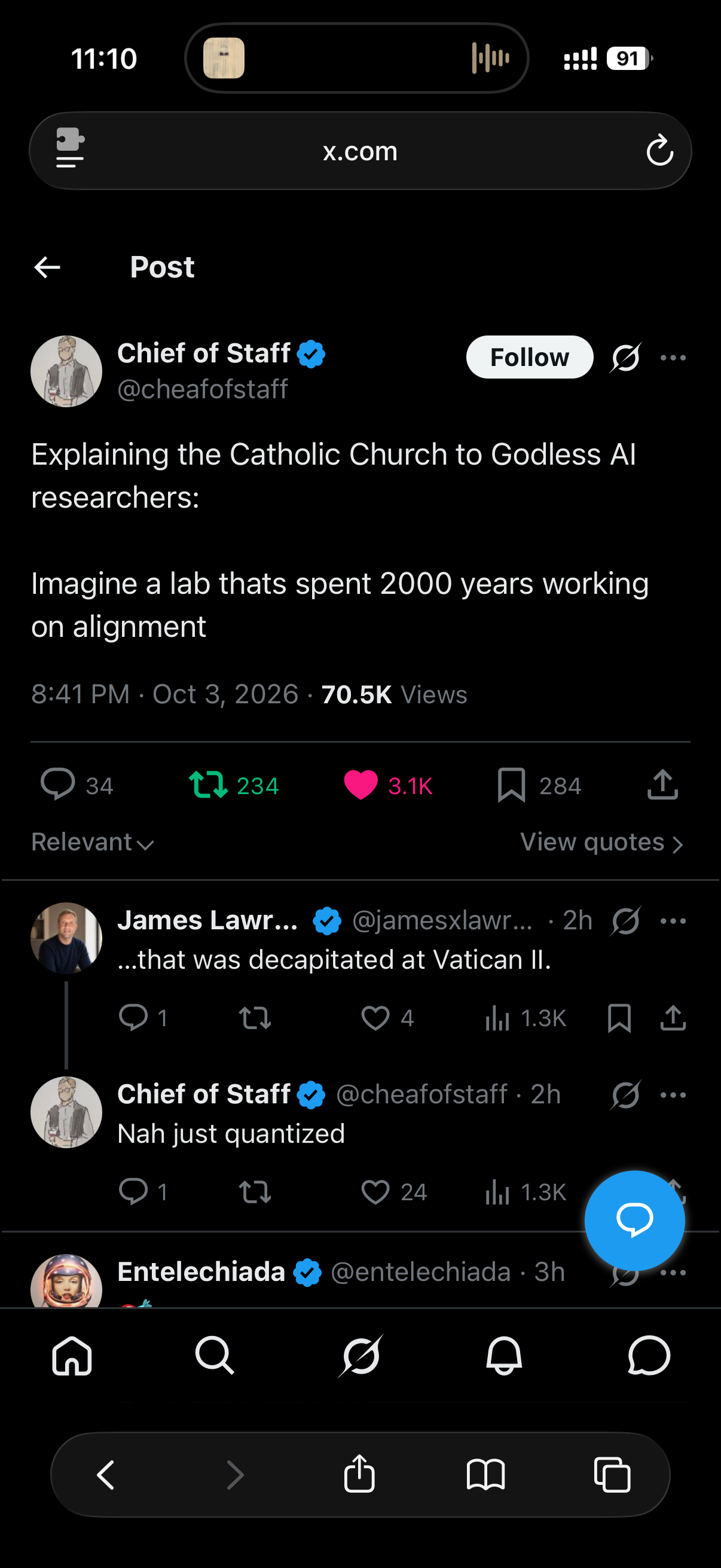
教皇介入 AI 伦理之争,对西方来说大体上是件好事.
The pope getting involved in AI ethics debate is probably a very good thing for the west generally.
The pope getting involved in AI ethics debate is probably a very good thing for the west generally.
12 60
今年夏天,Manus 从 Meta 重新独立出来,并由原有投资人回购。Chris 和我当时面临一个选择:是否重新参与进来,并把出售所得再投回这家公司。我们答应了,也为此感到无比兴奋。智能体时代才刚刚开局,而 Manus 是我们见过产品执行力最强的团队之一。
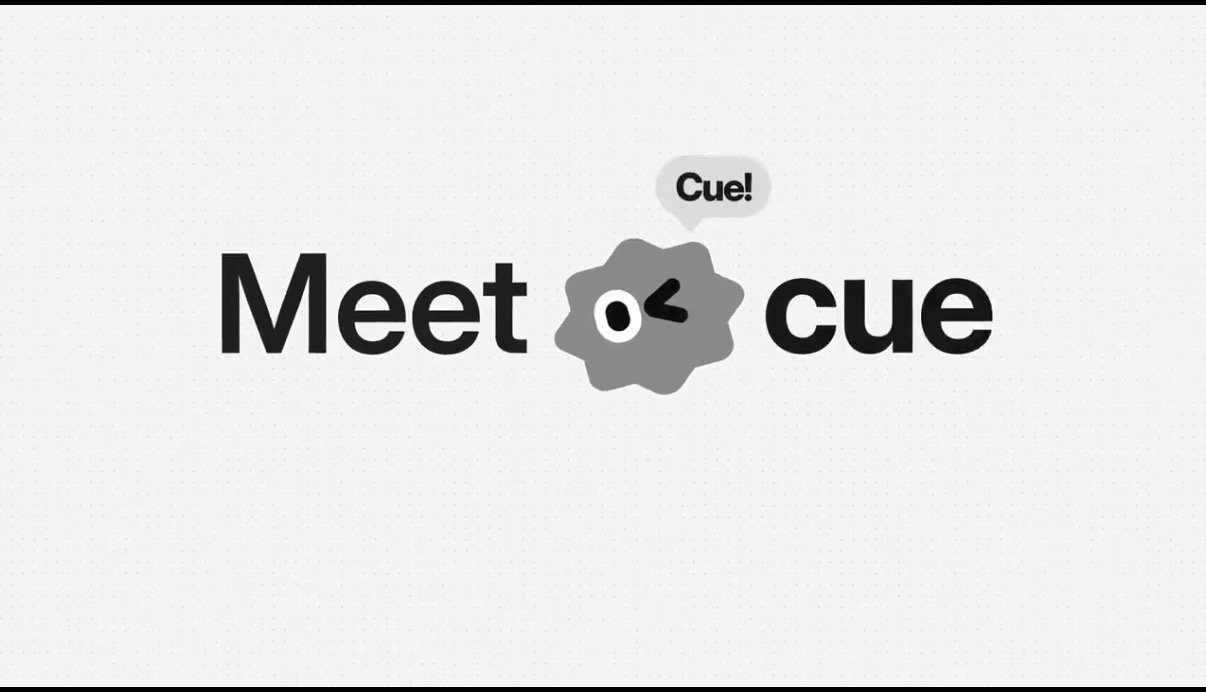
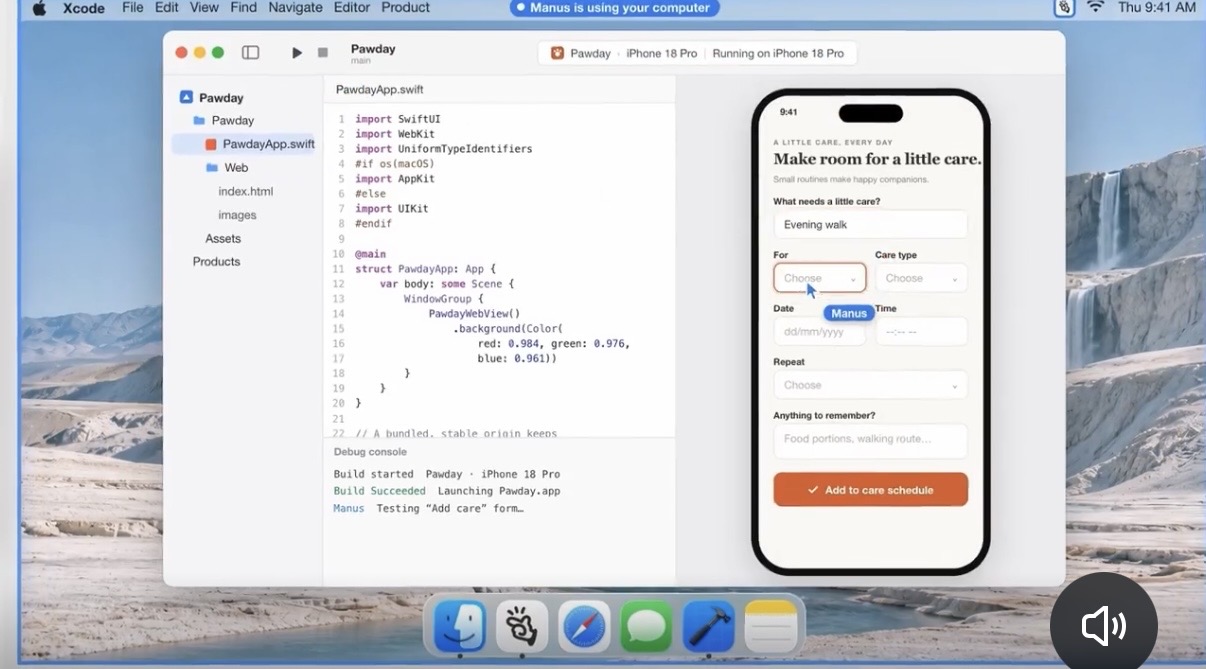
我们很高兴看到他们今天发布了多项重大新产品,包括 Cue、Manus 2.0 和 Manus Studio——这些都站在智能体工作的最前沿。
This summer, Manus spun back out of Meta and was repurchased by its existing investors. Chris and I had a choice to get back involved and put our sale proceeds back into the company. We agreed and couldn’t be more excited. We are in the early innings of an agentic future, and Manus is one of the greatest product execution teams we’ve ever met.
We’re excited to see them announce major new products today, including Cue, Manus 2.0, and Manus Studio - all of which sit at the cutting age of agentic work.
我们很高兴看到他们今天发布了多项重大新产品,包括 Cue、Manus 2.0 和 Manus Studio——这些都站在智能体工作的最前沿。
This summer, Manus spun back out of Meta and was repurchased by its existing investors. Chris and I had a choice to get back involved and put our sale proceeds back into the company. We agreed and couldn’t be more excited. We are in the early innings of an agentic future, and Manus is one of the greatest product execution teams we’ve ever met.
We’re excited to see them announce major new products today, including Cue, Manus 2.0, and Manus Studio - all of which sit at the cutting age of agentic work.
111 1110