即刻App年轻人的同好社区
下载
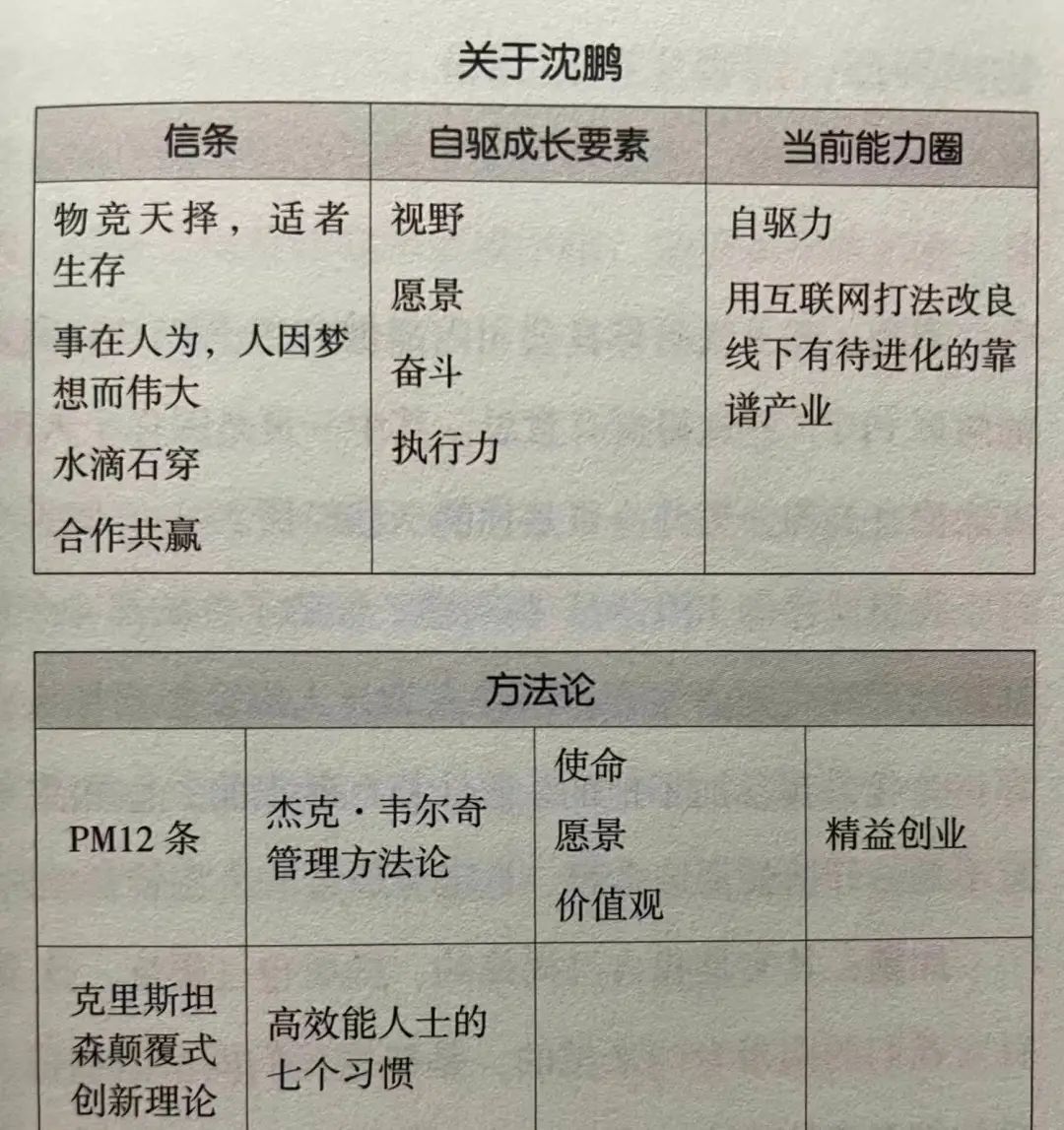
关于读书和底层方法论
谈到读书和学习,沈鹏聊到了一个很有意思的概念叫做「白名单」的书籍。
所谓「白名单」书籍,就是它是非常基础、非常经典的著作,应该定期去学习和体会。其中他举了杰克韦尔奇的《赢》和《商业的本质》等管理书籍,并谈到很多现代公司(包含阿里)的管理思想源头都来自于这里。
所以,像这一类书籍就应该定期去温习,带着实践的新体验读出自己的新体会。
谈到读书和学习,沈鹏聊到了一个很有意思的概念叫做「白名单」的书籍。
所谓「白名单」书籍,就是它是非常基础、非常经典的著作,应该定期去学习和体会。其中他举了杰克韦尔奇的《赢》和《商业的本质》等管理书籍,并谈到很多现代公司(包含阿里)的管理思想源头都来自于这里。
所以,像这一类书籍就应该定期去温习,带着实践的新体验读出自己的新体会。
0 00
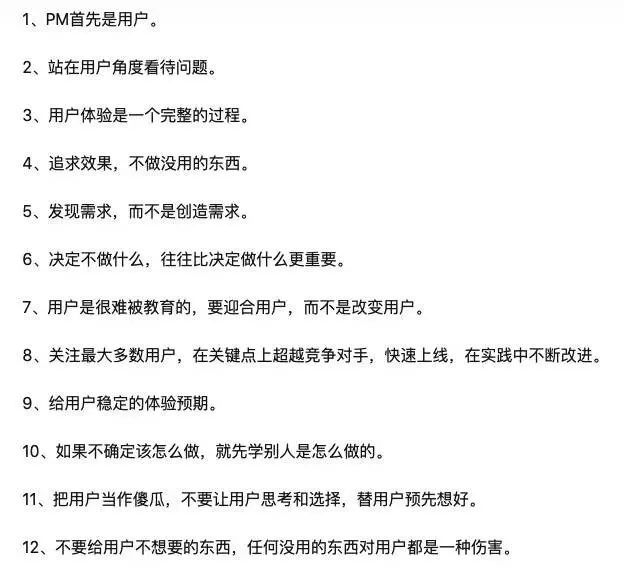
所谓的竞争意识是说,你做一个新的项目,你得先看一下这个行业的基本面是什么情况,行业规模是在上升还是下降,还是有周期性的、有升有降的,眼前你该瞄准什么样的目标,你得知道大节奏是什么样的,未来几年应该是什么样的,你得知道发力点,知道你的竞争对手有哪些,公司是强还是弱,它的长短板是什么,这些你都得清清楚楚。不能就只关注自己,不关注行业。 from 沈鹏
0 10
A value of dbt Labs: "Work done well is its own end. We do great work because it is an expression of who we are, a contribution of our unique taltents and perspectives to a purpose larger than ourselves"
0 10
禅宗有一个著名的“指月”公案。公案有两种经典版本:
禅师版本:有修行者问禅师“何为佛法”,禅师不答,仅以手指向夜空明月。问者却误将“手指”当作佛法本身,忽略了手指指向的明月。
佛陀版本:佛陀说法时手指月亮,众人不解其意。佛陀解释道:“佛经如指向月亮的手指,目的是让你们找到月亮,但若只研究手指的粗细、颜色,便永远见不到真正的明月。”
佛陀的手指,指向了遥远的西方天边。
比丘们顺着他手指的方向,看到了一弯浅浅淡淡的、不易察觉的弦月。“我的教法,如同指向月亮的手指,目的是为了让你们更顺利、更快捷地找到月亮。而手指本身,并非明月。你若是仅仅研究手指的粗细、长短、颜色,永远都找不到天空中的月亮。”
佛陀停顿了片刻,拍拍那个说安般法最妙的比丘的肩头,徐徐说道:“各种修行方法,没有高下,只要与你契机就好。比如,淫欲重的人,应该多多修习白骨观;而容易散乱、妄想的人,就要以数息观为禅修的方法了。这就像是草药,不管贵贱,对症的药,能治愈疾病的药,就是最好的药。”
一位名叫阿利陀的比丘感动得匍匐在地,抱着佛陀的脚说:“世尊,您说的太妙了,我一定牢牢铭记您的教导,将佛法当作我的灵魂,终生执持不舍。”
佛陀大摇其头:“佛法恰似一艘载着你的木筏,我们渡河需要木筏,但它绝对不是彼岸。一个有智慧的人到达对岸之后,是不会扛着木筏到处跑的。所以,我演说的佛法,就像舟筏,是帮助你们超越生死的河流、到达觉悟的彼岸的。你一定不要执著它,不能死死抱着它不放,要懂得及时脱离它、舍弃它。”
M-Multi-Agent Synergy 多智能体协同
A-Autonomous Execution 自主执行
N-Natural Interaction Framework 自然交互框架
U-Unified Tool & Application Interface 统一工具和应用接口
S-Secure-Compliance Mesh 安全合规网格
禅师版本:有修行者问禅师“何为佛法”,禅师不答,仅以手指向夜空明月。问者却误将“手指”当作佛法本身,忽略了手指指向的明月。
佛陀版本:佛陀说法时手指月亮,众人不解其意。佛陀解释道:“佛经如指向月亮的手指,目的是让你们找到月亮,但若只研究手指的粗细、颜色,便永远见不到真正的明月。”
佛陀的手指,指向了遥远的西方天边。
比丘们顺着他手指的方向,看到了一弯浅浅淡淡的、不易察觉的弦月。“我的教法,如同指向月亮的手指,目的是为了让你们更顺利、更快捷地找到月亮。而手指本身,并非明月。你若是仅仅研究手指的粗细、长短、颜色,永远都找不到天空中的月亮。”
佛陀停顿了片刻,拍拍那个说安般法最妙的比丘的肩头,徐徐说道:“各种修行方法,没有高下,只要与你契机就好。比如,淫欲重的人,应该多多修习白骨观;而容易散乱、妄想的人,就要以数息观为禅修的方法了。这就像是草药,不管贵贱,对症的药,能治愈疾病的药,就是最好的药。”
一位名叫阿利陀的比丘感动得匍匐在地,抱着佛陀的脚说:“世尊,您说的太妙了,我一定牢牢铭记您的教导,将佛法当作我的灵魂,终生执持不舍。”
佛陀大摇其头:“佛法恰似一艘载着你的木筏,我们渡河需要木筏,但它绝对不是彼岸。一个有智慧的人到达对岸之后,是不会扛着木筏到处跑的。所以,我演说的佛法,就像舟筏,是帮助你们超越生死的河流、到达觉悟的彼岸的。你一定不要执著它,不能死死抱着它不放,要懂得及时脱离它、舍弃它。”
M-Multi-Agent Synergy 多智能体协同
A-Autonomous Execution 自主执行
N-Natural Interaction Framework 自然交互框架
U-Unified Tool & Application Interface 统一工具和应用接口
S-Secure-Compliance Mesh 安全合规网格

0 00
【HBR】The Art of Asking Smarter Questions
The urgency and unpredictability long faced by tech companies have spread to more-mature sectors, elevating inquiry as an essential skill. Advances in AI have caused a seismic shift from a world in which answers were crucial to one in which questions are. The big differentiator is no longer access to information but the ability to craft smart prompts. “As a leader, you don’t have the answers; your workforce [does], your people [do],” Jane Fraser, Citi’s CEO, told Fortune magazine. “That’s completely changed how you have to lead an organization. You have to unleash the creativity….The innovation isn’t happening because there’s a genius at the top of the company that’s coming up with the answers for everything.”
Indeed, leaders have embraced the importance of listening, curiosity, learning, and humility—qualities critical to skillful interrogation. “Question-storming”—brainstorming for questions rather than answers—is now a creativity technique. But unlike lawyers, doctors, and psychologists, business leaders aren’t formally trained on what kinds of questions to ask. They must learn as they go. (See “The Surprising Power of Questions,” HBR, May–June 2018, among others.)
The urgency and unpredictability long faced by tech companies have spread to more-mature sectors, elevating inquiry as an essential skill. Advances in AI have caused a seismic shift from a world in which answers were crucial to one in which questions are. The big differentiator is no longer access to information but the ability to craft smart prompts. “As a leader, you don’t have the answers; your workforce [does], your people [do],” Jane Fraser, Citi’s CEO, told Fortune magazine. “That’s completely changed how you have to lead an organization. You have to unleash the creativity….The innovation isn’t happening because there’s a genius at the top of the company that’s coming up with the answers for everything.”
Indeed, leaders have embraced the importance of listening, curiosity, learning, and humility—qualities critical to skillful interrogation. “Question-storming”—brainstorming for questions rather than answers—is now a creativity technique. But unlike lawyers, doctors, and psychologists, business leaders aren’t formally trained on what kinds of questions to ask. They must learn as they go. (See “The Surprising Power of Questions,” HBR, May–June 2018, among others.)
0 00