即刻App年轻人的同好社区
下载
 置顶
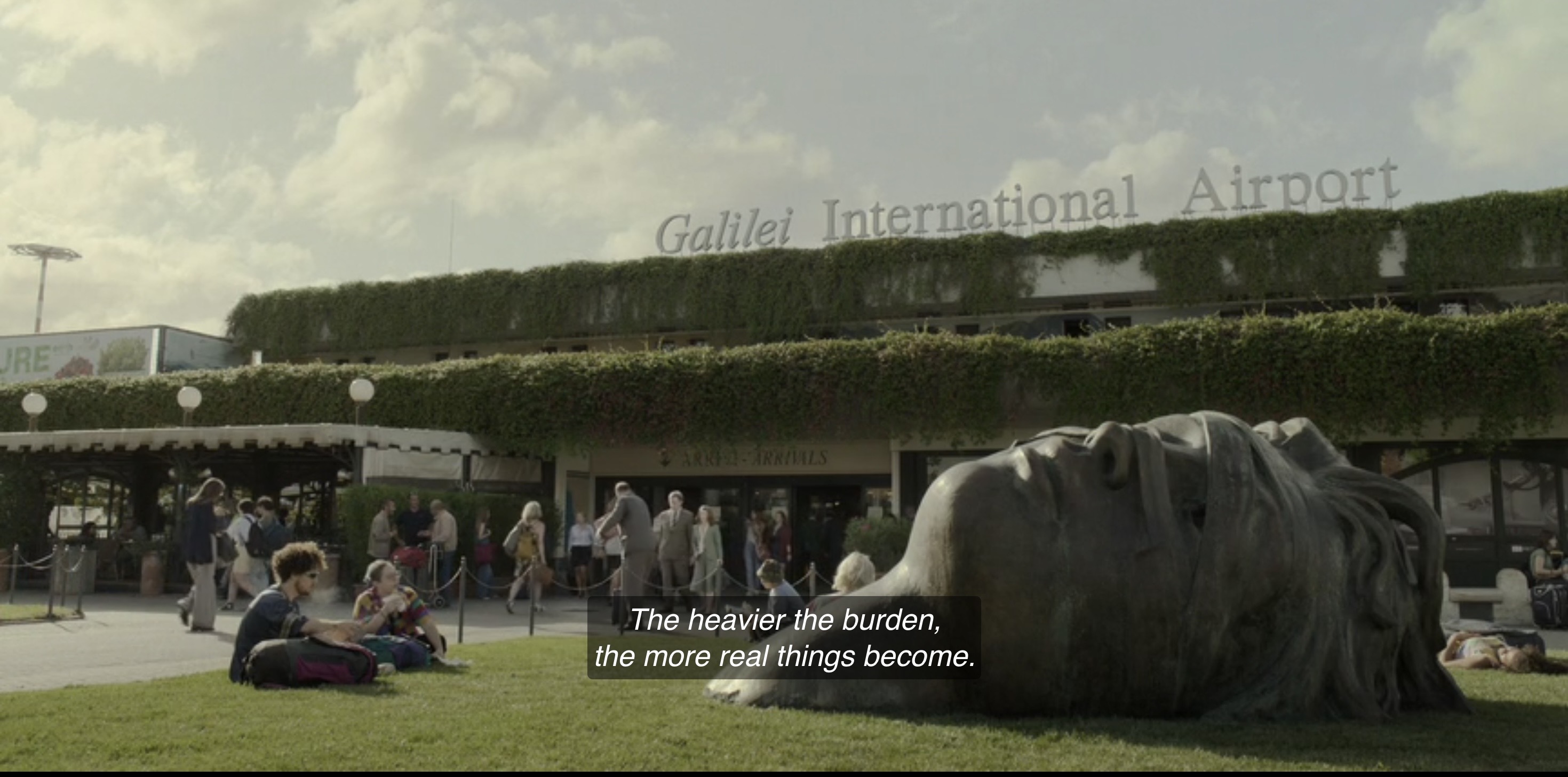
置顶The heavier the burden, the more real things become.
A marble statue becomes nothing more than a piece of stone.
察觉美,看见美,欣赏美所需要的巨大成本总是很容易被轻易忽视
A marble statue becomes nothing more than a piece of stone.
察觉美,看见美,欣赏美所需要的巨大成本总是很容易被轻易忽视
3 10

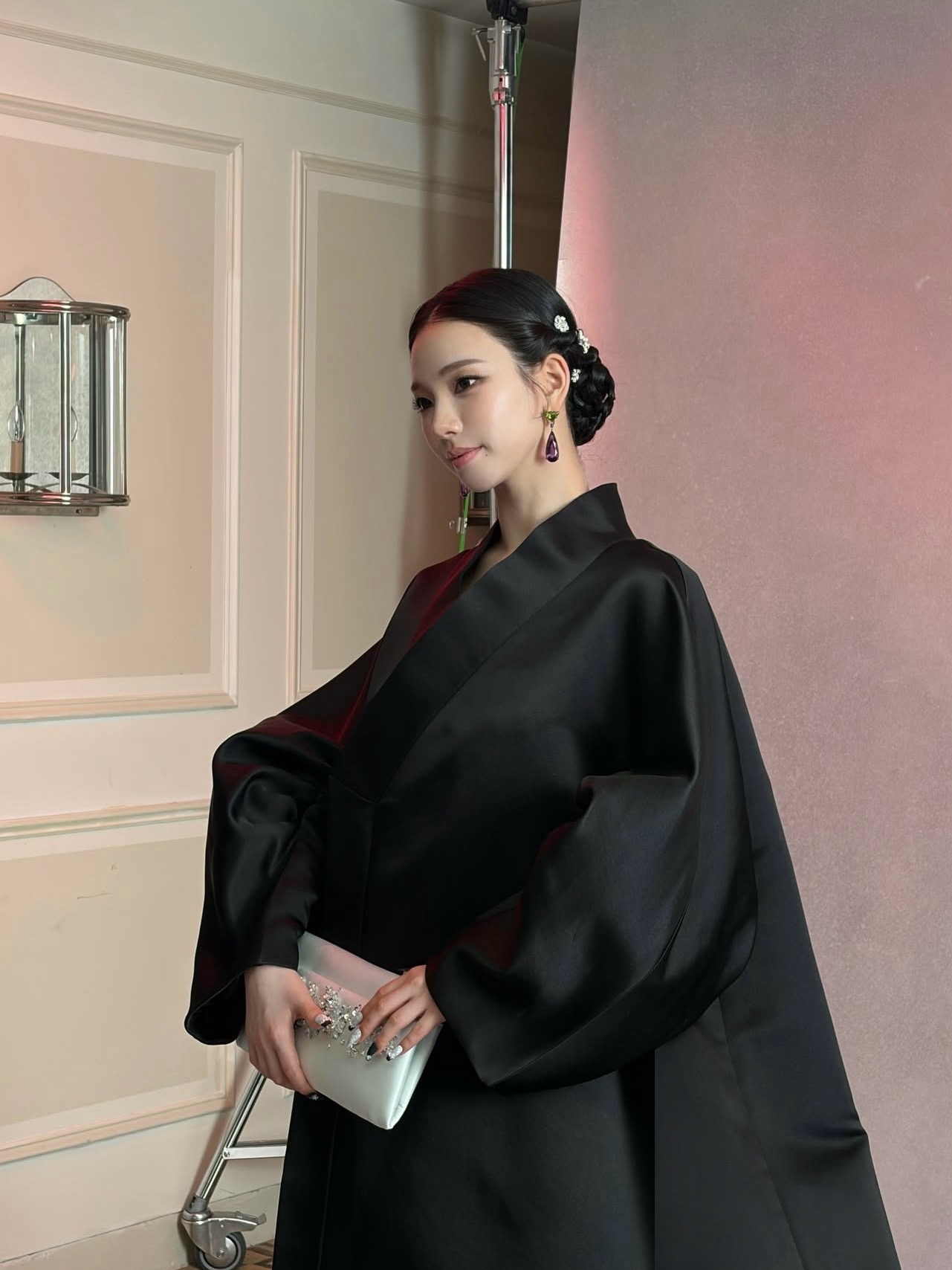
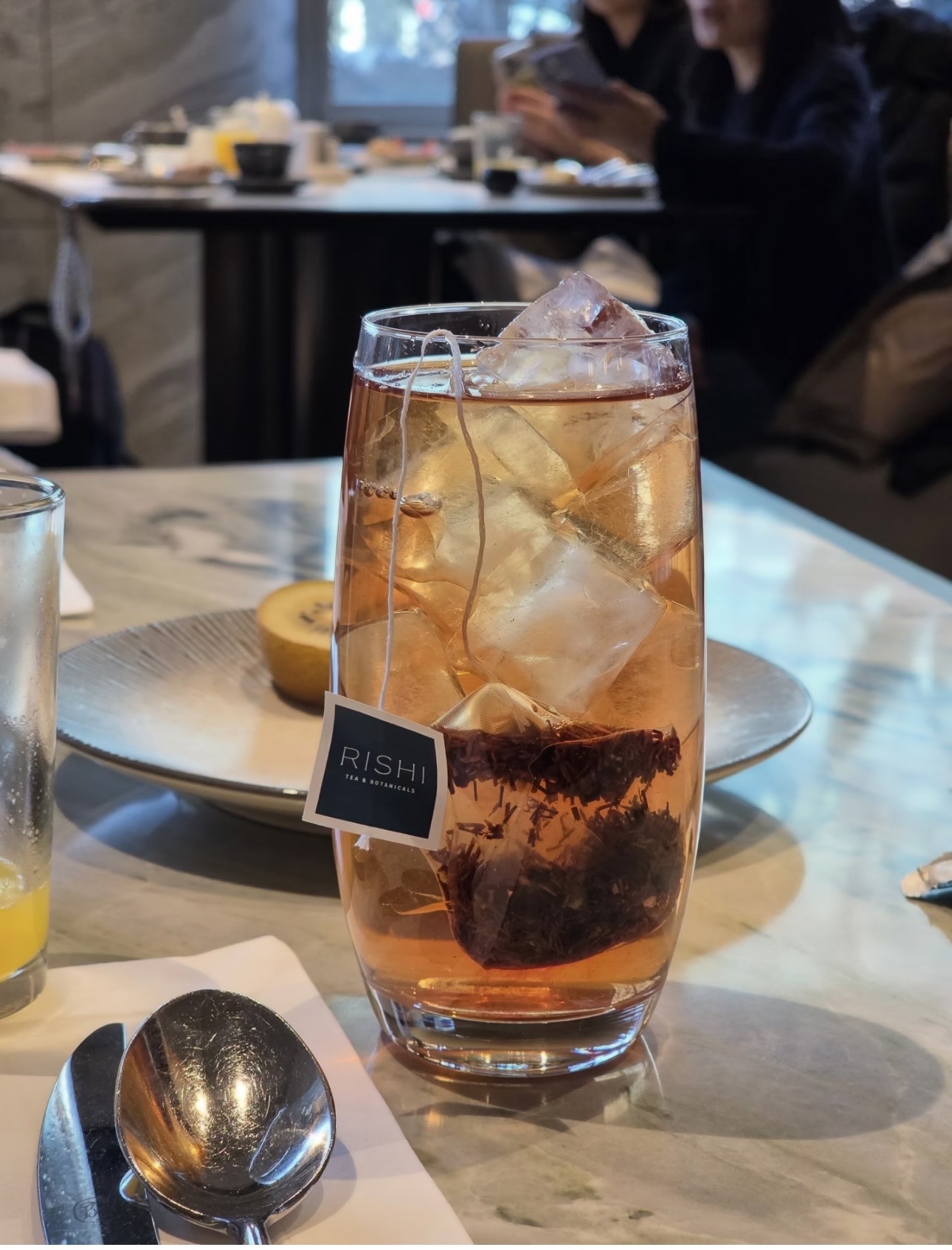
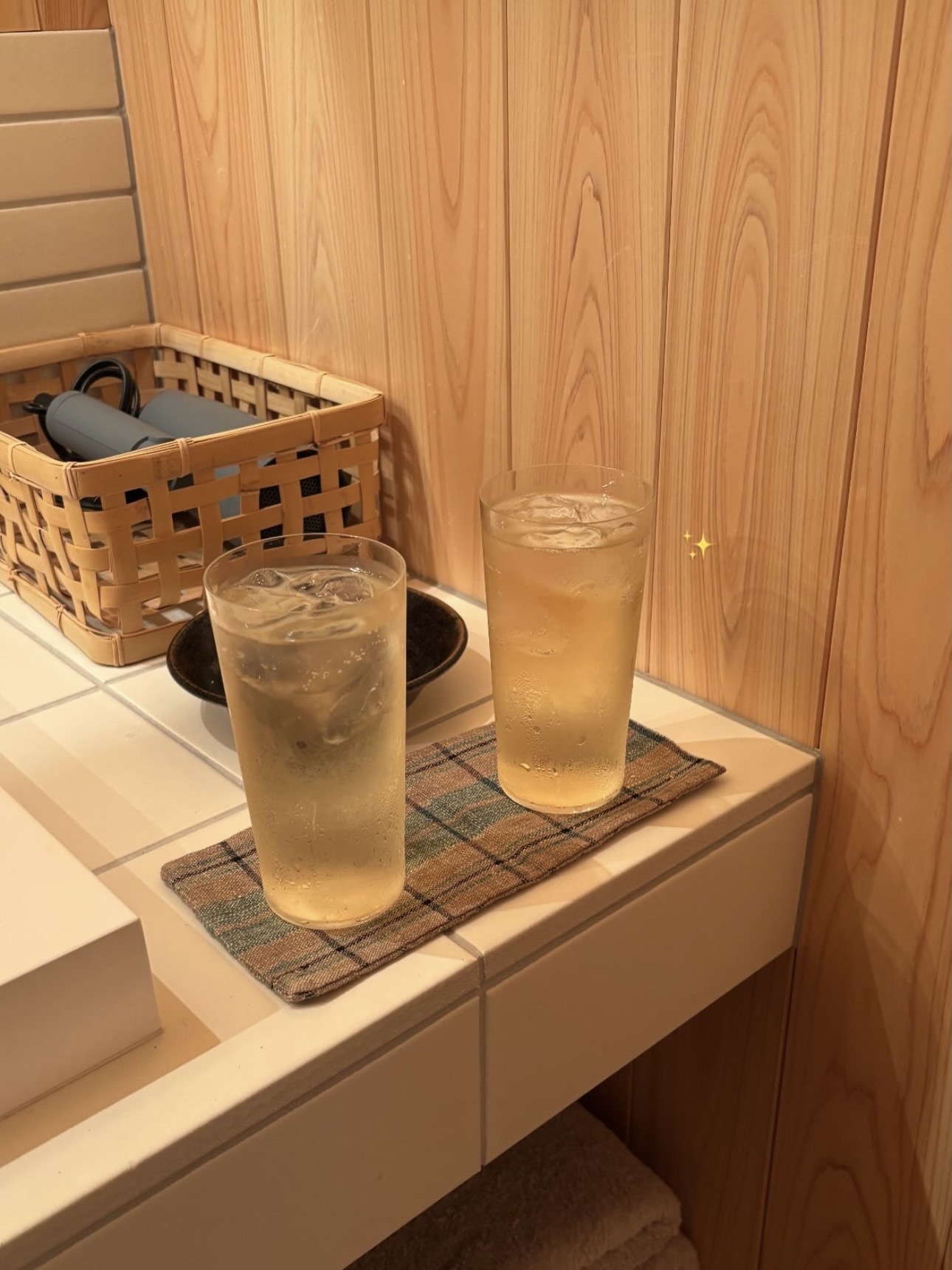
Pleasure and appeal are individual experiences that are difficult to describe. No single definition of aesthetic pleasure appears to be satisfactory.
A good start would be to remove taste from the discussion. Taste is too narrow a lens and frequently ends up separating people. Having “good taste” elevates some while diminishing others. A brand may appeal to a certain taste, but to focus only on that narrow audience is limiting. Taste restricts, and it constricts.
While taste has an ability to be defined, beauty, on the other hand, is purely without intellectual entanglement. It is an event, one that cannot be experienced at will nor be re-created. We encounter beauty, uncoerced.
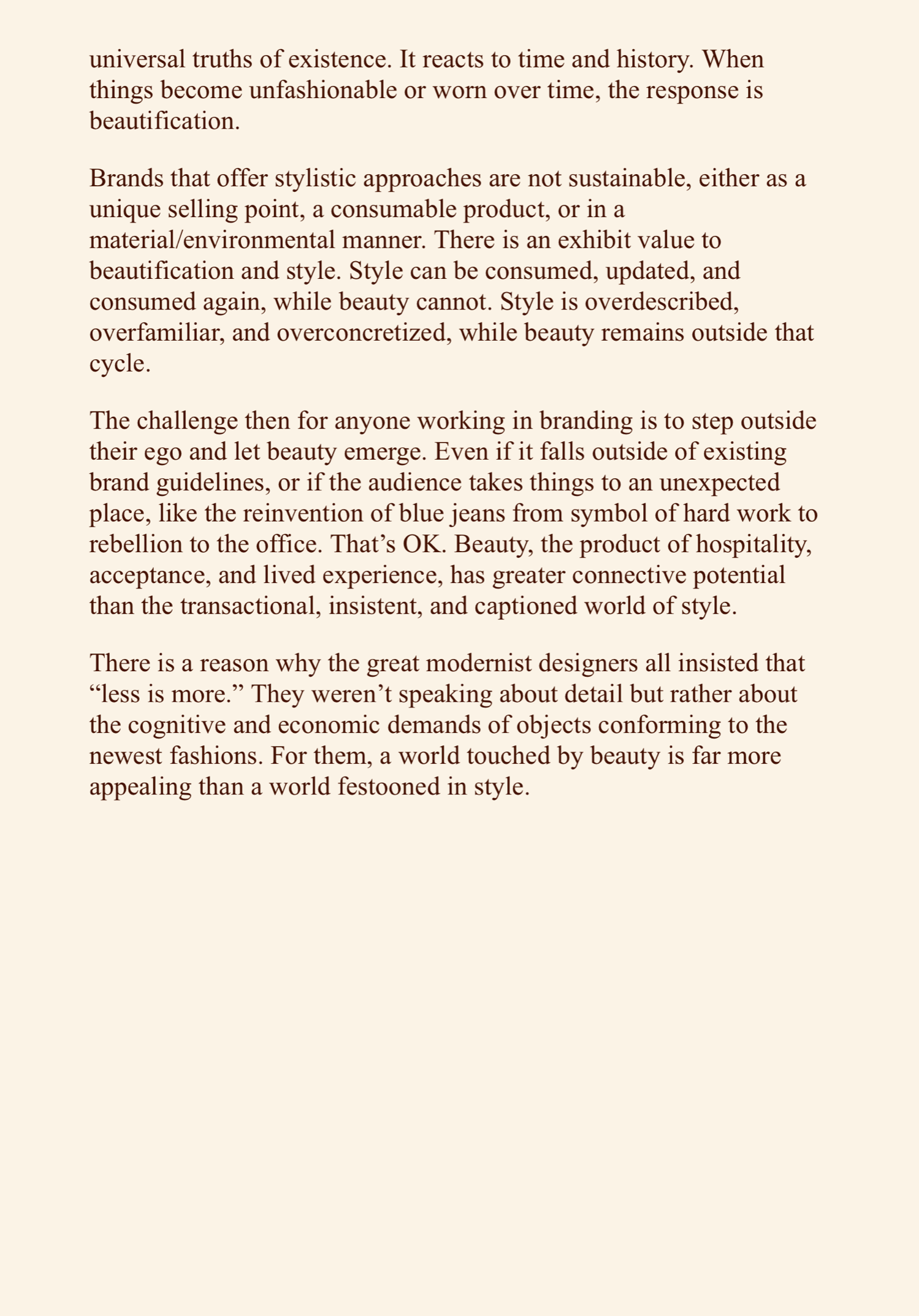
Beautification is superficial, disconnected from fundamental uses and universal truths of existence. It reacts to time and history. When things become unfashionable or worn over time, the response is beautification.
There is an exhibit value to beautification and style. Style can be consumed, updated, and consumed again, while beauty cannot. Style is overdescribed, overfamiliar, and overconcretized, while beauty remains outside that cycle.
Beauty, the product of hospitality, acceptance, and lived experience, has greater connective potential than the transactional, insistent, and captioned world of style.
“Beauty is uninterested in any subject it might encounter.”
/美学
A good start would be to remove taste from the discussion. Taste is too narrow a lens and frequently ends up separating people. Having “good taste” elevates some while diminishing others. A brand may appeal to a certain taste, but to focus only on that narrow audience is limiting. Taste restricts, and it constricts.
While taste has an ability to be defined, beauty, on the other hand, is purely without intellectual entanglement. It is an event, one that cannot be experienced at will nor be re-created. We encounter beauty, uncoerced.
Beautification is superficial, disconnected from fundamental uses and universal truths of existence. It reacts to time and history. When things become unfashionable or worn over time, the response is beautification.
There is an exhibit value to beautification and style. Style can be consumed, updated, and consumed again, while beauty cannot. Style is overdescribed, overfamiliar, and overconcretized, while beauty remains outside that cycle.
Beauty, the product of hospitality, acceptance, and lived experience, has greater connective potential than the transactional, insistent, and captioned world of style.
“Beauty is uninterested in any subject it might encounter.”
/美学

0 10
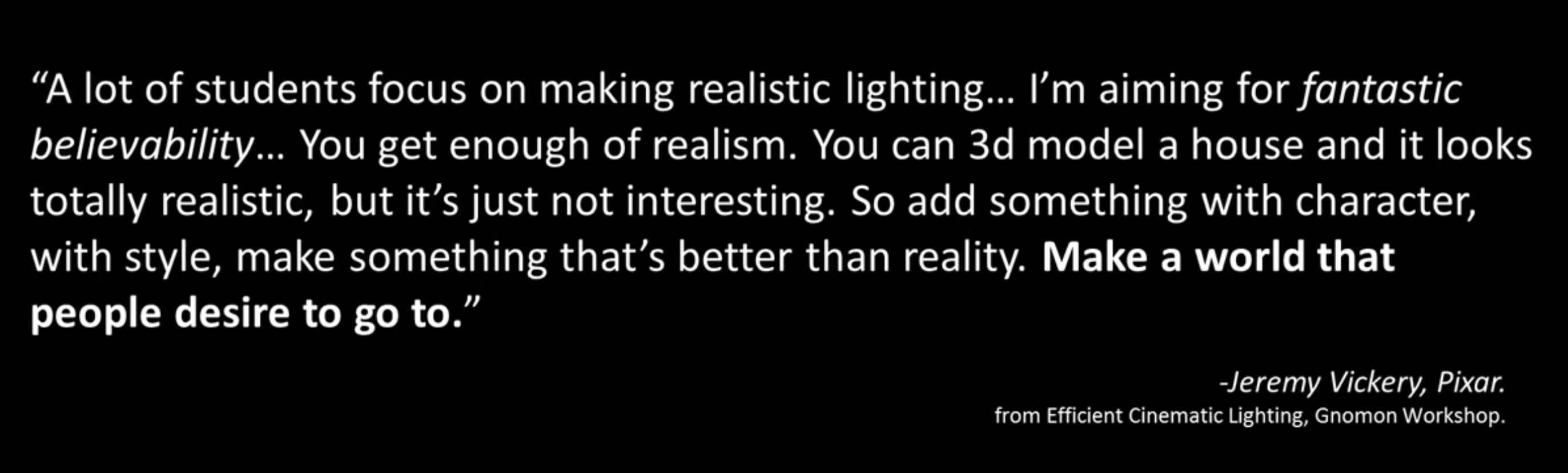
aiming for fantastic believability...add something with character, with style, make something that's better than reality. Make a world that people desire to go to.
-Jeremy Vickery
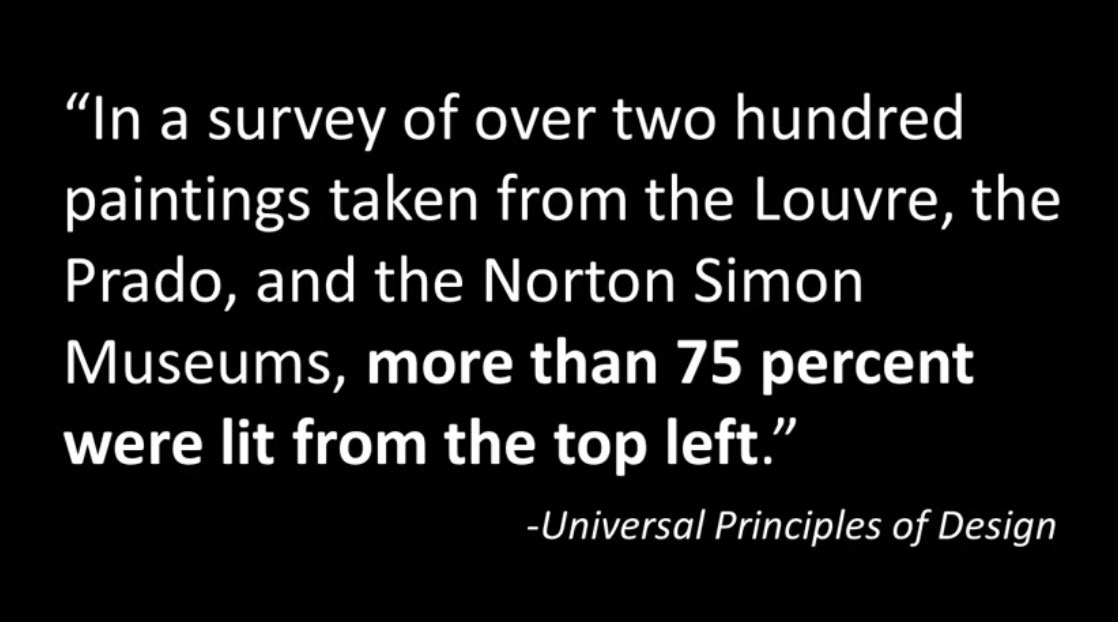
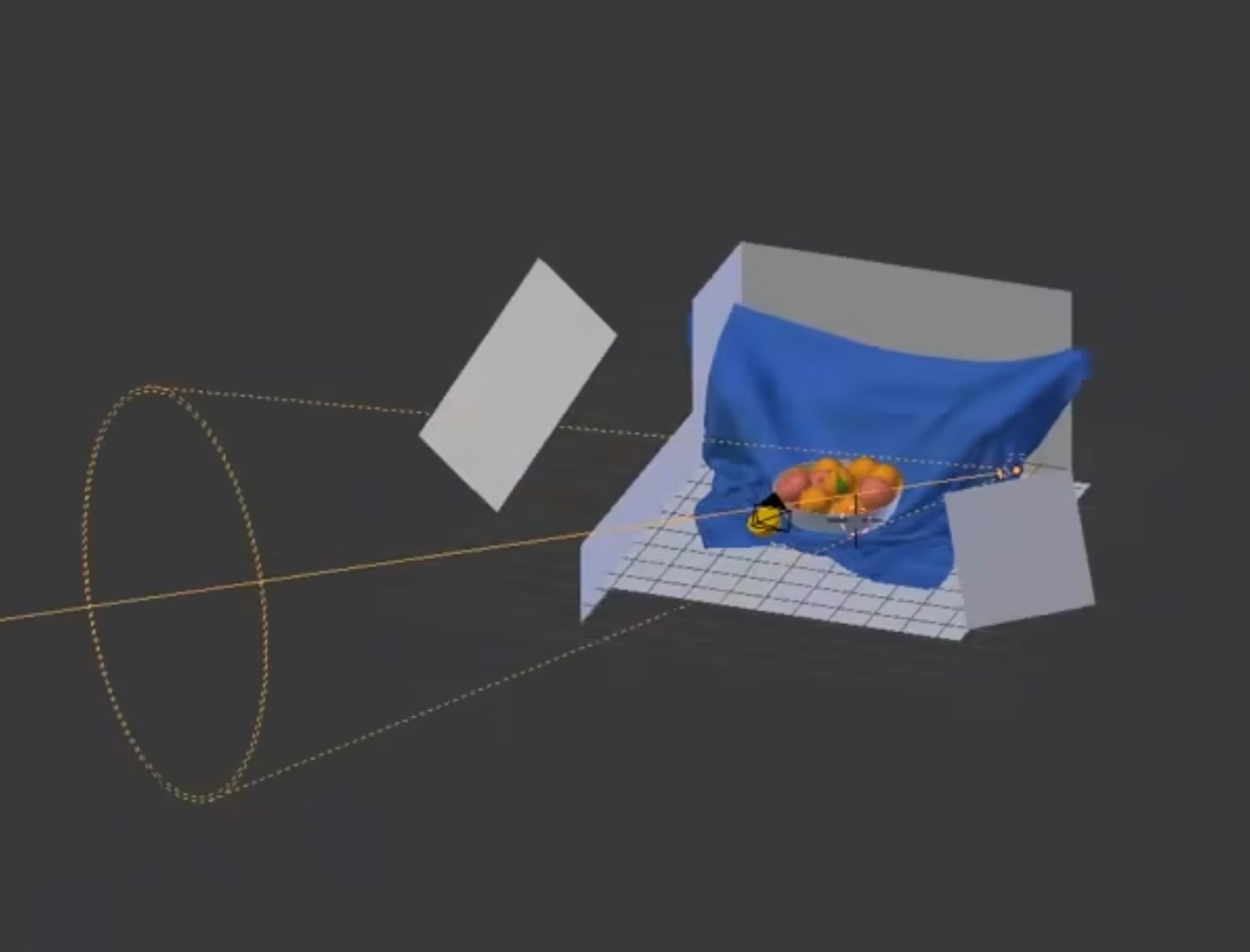
主灯左上方(45°)
附灯右下方:消除主灯的阴影
微弱轮廓灯后方
/摄影/美学
-Jeremy Vickery
主灯左上方(45°)
附灯右下方:消除主灯的阴影
微弱轮廓灯后方
/摄影/美学
0 00