即刻App年轻人的同好社区
下载



奇妙的 DNA 科学
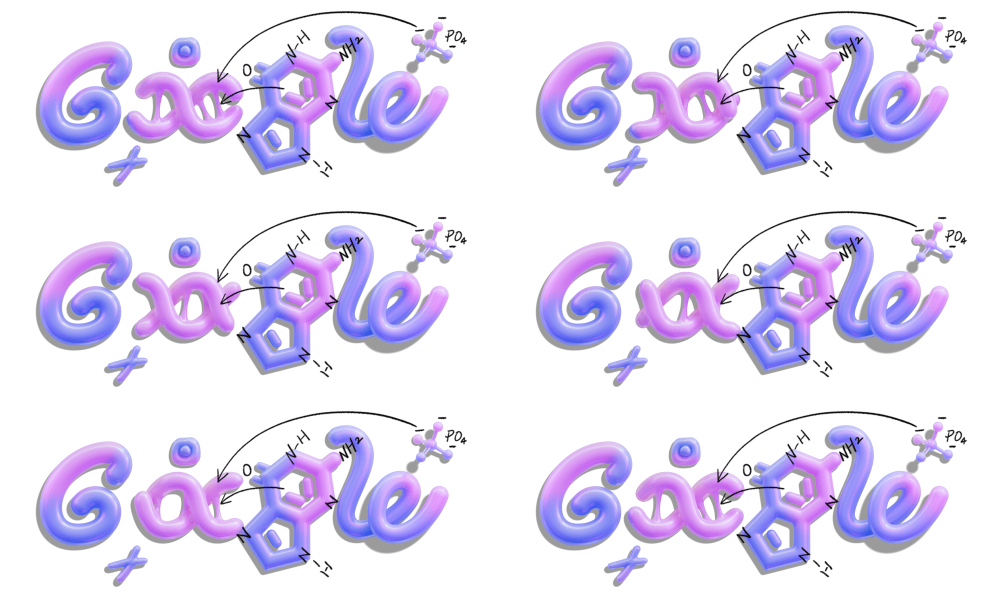
DNA 是生物学的基础,携带所有生物的遗传指令。
脱氧核糖核酸是一种生物大分子,可组成遗传指令,引导生物发育与生命机能运作。
主要功能是信息储存,可比喻为“蓝图”或“配方”。
其中包含的指令,是建构细胞内其他的化合物,如蛋白质与核糖核酸所需。
带有蛋白质编码的DNA片段称为基因。
其他的DNA序列,有些直接以本身构造发挥作用,有些则参与调控遗传信息的表现。
DNA 是生物学的基础,携带所有生物的遗传指令。
脱氧核糖核酸是一种生物大分子,可组成遗传指令,引导生物发育与生命机能运作。
主要功能是信息储存,可比喻为“蓝图”或“配方”。
其中包含的指令,是建构细胞内其他的化合物,如蛋白质与核糖核酸所需。
带有蛋白质编码的DNA片段称为基因。
其他的DNA序列,有些直接以本身构造发挥作用,有些则参与调控遗传信息的表现。
0 00


1 00
1 00


2023年5月5日 庆祝 Corky Lee
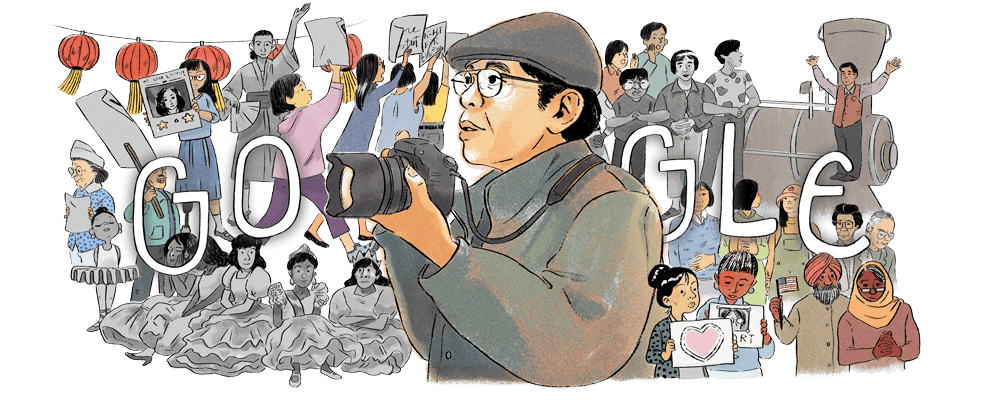
图一 今天的涂鸦庆祝 为庆祝亚太裔美国人传统月,今天的涂鸦纪念美籍华裔摄影师、记者和活动家 Corky Lee,他因记录亚太裔美国人在美国的经历而广为人知
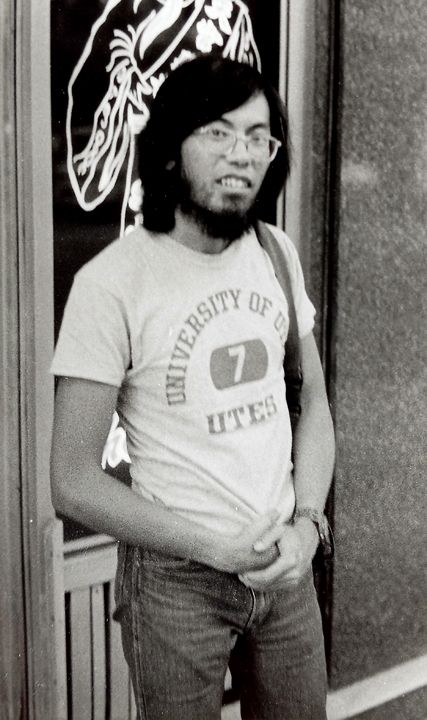
图二:年轻的 Corky Lee(约 1971/1972 年)在盐湖城,这很可能是他第一次前往 Promontory Point 进行球探之旅。
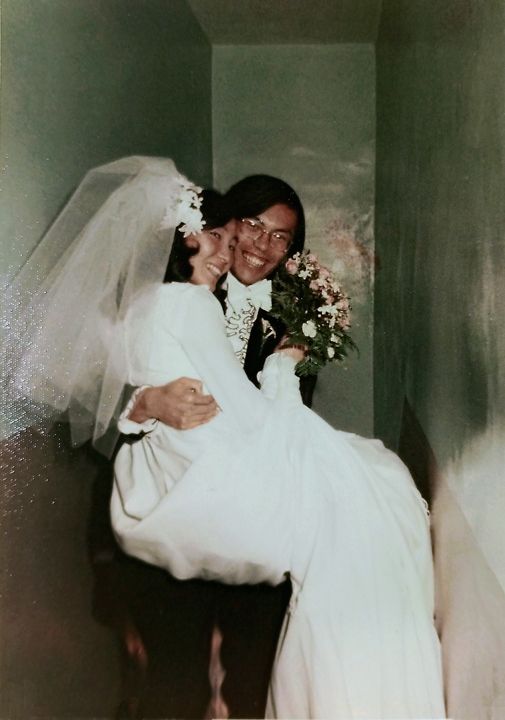
图三:1973 年婚礼当天,Corky 抱着 Marge(他结婚 30 年的妻子)走上他们第一间公寓的楼梯。
为纪念美国亚太裔美国人传统月,今天的涂鸦庆祝美国华裔摄影师、记者和活动家 Corky Lee 的生活和工作,他的照片记录了经常被主流媒体忽视的亚太裔美国人社区的多样性和细微差别。1988 年的今天,5 月 5 日被宣布为“Corky Lee Day”,以表彰他毕生对纽约市社区做出的贡献。
李于 1947 年 9 月 5 日出生于纽约市皇后区,父母是中国移民。当他还是个小男孩的时候,他在社会研究课上了解到横贯大陆的铁路。在上课时,他看到了一张庆祝铁路完工的照片——但注意到没有代表帮助修建铁路的数千名中国劳工。李后来分享说,这一事件激发了他一生的工作。他继续自学摄影,并进入皇后学院学习历史。
在他的整个职业生涯中,李参加了抗议、集会和示威活动,在这些活动中,他捕捉到了描绘亚太裔美国人社区的斗争和成就的重要时刻。值得注意的是,在 1975 年,他拍下了年轻的美籍华人彼得·尤 (Peter Yew) 被警察拖走时的照片。Yew 在目睹一名 15 岁男孩因涉嫌交通违规而被警察殴打后进行了干预。在被控拒捕和袭警之前,Yew 还当场和在车站遭到毒打。照片拍摄一周后,数千名唐人街居民聚集在一起,抗议警察在他们社区猖獗的暴行。
在他的一生中,李的照片出现在无数出版物中,如时代杂志、纽约时报、纽约邮报等。他的作品还获得了许多奖项,他的生活被电影《不在菜单上:Corky Lee 的生活和工作》 (2013) 和《摄影正义:Corky Lee 的故事》 (2022) 等电影所报道。
在晚年,Lee 经常访问犹他州的 Promontory Summit,以重现横贯大陆铁路完工时拍摄的照片。他邀请了几位在 1869 年没有被拍到的华工后裔,试图表明亚裔美国人的历史就是美国的历史。
感谢您致力于保存这么多人的故事,Corky。你的也没有被遗忘。
特别感谢 Corky 的兄弟 John "Johann" Lee 和 E. Samantha Cheng 在这个涂鸦上的合作。下面他们分享了他们对 Corky 遗产的看法。
“在我们的整个童年时期,我们的父母都在阐述做正确事情的重要性。仅仅因为这是正确的事情,并带有一种含蓄的行动号召。也许他们给 Corky 取了他的中文名字(Lee Young Kuo)是有先见之明的). 粗略地翻译成“赞美”、“振兴国家”,他做到了。通过他的镜头,他赋予了亚裔美国人他们的历史、自豪感和尊严,并提醒所有美国人亚裔对国家的贡献美国马赛克。Corky 不仅提高了他的相机拍摄对象的意识,也提高了整个国家的意识。”
- 约翰“约翰”李
“虽然 Corky 不在了,但他一生的工作和热情在他的照片中得以延续。通过他致力于提高所有亚洲人的知名度以及他们对美国的贡献,他的照片已成为打击种族主义和偏见的工具,并证明我们都是美国人”
-E。Heritage Series LLC 和 APA Legacy 创始人兼执行制片人 Samantha Cheng
In honor of US Asian Pacific American Heritage Month, today's Doodle celebrates the life and work of Corky Lee, Chinese American photographer, journalist, and activist whose photos recorded the diversity and nuances of the Asian Pacific American community often overlooked by mainstream media. On this day in 1988, May 5th was proclaimed to be “Corky Lee Day” in honor of his lifelong contributions to New York City’s communities.
Lee was born in Queens, New York City to Chinese immigrant parents on September 5th, 1947. When he was in school as a young boy, he learned about the transcontinental railroad in social studies class. During the lesson, he saw a photo that celebrated the completion of the railroad—but noticed a lack of representation for the thousands of Chinese laborers who helped build it. Lee later shared that this event inspired his life’s work. He went on to teach himself photography and attended Queens College to study history.
Throughout his career, Lee attended protests, rallies, and demonstrations where he captured powerful moments that depicted the struggles and achievements of the Asian Pacific American community. Notably, in 1975, he snapped a photo of young Chinese American Peter Yew as he was dragged away by police. Yew had intervened upon witnessing a 15-year old boy being beaten by police for an alleged traffic violation. Yew was also severely beaten on the spot and at the station before being charged with resisting arrest and assaulting an officer. A week after the photo was taken, thousands of Chinatown residents gathered to protest the rampant police brutality in their neighborhoods.
Across his life, Lee’s photos were included in countless publications like Time Magazine, The New York Times, New York Post, and more. He also won many awards for his works, and his life has been covered in movies like Not on the Menu: Corky Lee’s Life and Work (2013) and Photographic Justice: The Corky Lee Story (2022).
Later in life, Lee often visited Promontory Summit in Utah to recreate the photo that had been taken when the transcontinental railroad was completed. He invited several descendants of the Chinese laborers who were not pictured back in 1869 in an effort to show that Asian American history is American history.
Thank you for your dedication to preserving the stories of so many, Corky. Yours, too, is not forgotten.
Special thanks to Corky’s brother, John "Johann" Lee, and E. Samantha Cheng for their collaboration on this Doodle. Below they share their thoughts on Corky’s legacy.
"Throughout our childhood, our parents expounded upon the importance of doing the right thing. Simply because it was the right thing to do and carried with it an implicit call to action. Perhaps they were prescient in giving Corky his Chinese name (Lee Young Kuo). Loosely translated it means, “to praise”, “uplift the nation”, and so he did. Through his lens, he gave Americans of Asian descent their history, pride, and dignity and reminded all Americans of Asian contributions to the national American mosaic. Corky raised the consciousness not only of his camera's subjects but that of the nation as well."
- John "Johann" Lee
"Although Corky is gone, his life's work and passion live on in his photographs. Through his commitment to raising the visibility of all Asians and their contributions to America, his images have become tools to combat racism and bias and proof that we are all Americans."
-E. Samantha Cheng, Founder and Executive Producer, Heritage Series LLC and APA Legacy
图一 今天的涂鸦庆祝 为庆祝亚太裔美国人传统月,今天的涂鸦纪念美籍华裔摄影师、记者和活动家 Corky Lee,他因记录亚太裔美国人在美国的经历而广为人知
图二:年轻的 Corky Lee(约 1971/1972 年)在盐湖城,这很可能是他第一次前往 Promontory Point 进行球探之旅。
图三:1973 年婚礼当天,Corky 抱着 Marge(他结婚 30 年的妻子)走上他们第一间公寓的楼梯。
为纪念美国亚太裔美国人传统月,今天的涂鸦庆祝美国华裔摄影师、记者和活动家 Corky Lee 的生活和工作,他的照片记录了经常被主流媒体忽视的亚太裔美国人社区的多样性和细微差别。1988 年的今天,5 月 5 日被宣布为“Corky Lee Day”,以表彰他毕生对纽约市社区做出的贡献。
李于 1947 年 9 月 5 日出生于纽约市皇后区,父母是中国移民。当他还是个小男孩的时候,他在社会研究课上了解到横贯大陆的铁路。在上课时,他看到了一张庆祝铁路完工的照片——但注意到没有代表帮助修建铁路的数千名中国劳工。李后来分享说,这一事件激发了他一生的工作。他继续自学摄影,并进入皇后学院学习历史。
在他的整个职业生涯中,李参加了抗议、集会和示威活动,在这些活动中,他捕捉到了描绘亚太裔美国人社区的斗争和成就的重要时刻。值得注意的是,在 1975 年,他拍下了年轻的美籍华人彼得·尤 (Peter Yew) 被警察拖走时的照片。Yew 在目睹一名 15 岁男孩因涉嫌交通违规而被警察殴打后进行了干预。在被控拒捕和袭警之前,Yew 还当场和在车站遭到毒打。照片拍摄一周后,数千名唐人街居民聚集在一起,抗议警察在他们社区猖獗的暴行。
在他的一生中,李的照片出现在无数出版物中,如时代杂志、纽约时报、纽约邮报等。他的作品还获得了许多奖项,他的生活被电影《不在菜单上:Corky Lee 的生活和工作》 (2013) 和《摄影正义:Corky Lee 的故事》 (2022) 等电影所报道。
在晚年,Lee 经常访问犹他州的 Promontory Summit,以重现横贯大陆铁路完工时拍摄的照片。他邀请了几位在 1869 年没有被拍到的华工后裔,试图表明亚裔美国人的历史就是美国的历史。
感谢您致力于保存这么多人的故事,Corky。你的也没有被遗忘。
特别感谢 Corky 的兄弟 John "Johann" Lee 和 E. Samantha Cheng 在这个涂鸦上的合作。下面他们分享了他们对 Corky 遗产的看法。
“在我们的整个童年时期,我们的父母都在阐述做正确事情的重要性。仅仅因为这是正确的事情,并带有一种含蓄的行动号召。也许他们给 Corky 取了他的中文名字(Lee Young Kuo)是有先见之明的). 粗略地翻译成“赞美”、“振兴国家”,他做到了。通过他的镜头,他赋予了亚裔美国人他们的历史、自豪感和尊严,并提醒所有美国人亚裔对国家的贡献美国马赛克。Corky 不仅提高了他的相机拍摄对象的意识,也提高了整个国家的意识。”
- 约翰“约翰”李
“虽然 Corky 不在了,但他一生的工作和热情在他的照片中得以延续。通过他致力于提高所有亚洲人的知名度以及他们对美国的贡献,他的照片已成为打击种族主义和偏见的工具,并证明我们都是美国人”
-E。Heritage Series LLC 和 APA Legacy 创始人兼执行制片人 Samantha Cheng
In honor of US Asian Pacific American Heritage Month, today's Doodle celebrates the life and work of Corky Lee, Chinese American photographer, journalist, and activist whose photos recorded the diversity and nuances of the Asian Pacific American community often overlooked by mainstream media. On this day in 1988, May 5th was proclaimed to be “Corky Lee Day” in honor of his lifelong contributions to New York City’s communities.
Lee was born in Queens, New York City to Chinese immigrant parents on September 5th, 1947. When he was in school as a young boy, he learned about the transcontinental railroad in social studies class. During the lesson, he saw a photo that celebrated the completion of the railroad—but noticed a lack of representation for the thousands of Chinese laborers who helped build it. Lee later shared that this event inspired his life’s work. He went on to teach himself photography and attended Queens College to study history.
Throughout his career, Lee attended protests, rallies, and demonstrations where he captured powerful moments that depicted the struggles and achievements of the Asian Pacific American community. Notably, in 1975, he snapped a photo of young Chinese American Peter Yew as he was dragged away by police. Yew had intervened upon witnessing a 15-year old boy being beaten by police for an alleged traffic violation. Yew was also severely beaten on the spot and at the station before being charged with resisting arrest and assaulting an officer. A week after the photo was taken, thousands of Chinatown residents gathered to protest the rampant police brutality in their neighborhoods.
Across his life, Lee’s photos were included in countless publications like Time Magazine, The New York Times, New York Post, and more. He also won many awards for his works, and his life has been covered in movies like Not on the Menu: Corky Lee’s Life and Work (2013) and Photographic Justice: The Corky Lee Story (2022).
Later in life, Lee often visited Promontory Summit in Utah to recreate the photo that had been taken when the transcontinental railroad was completed. He invited several descendants of the Chinese laborers who were not pictured back in 1869 in an effort to show that Asian American history is American history.
Thank you for your dedication to preserving the stories of so many, Corky. Yours, too, is not forgotten.
Special thanks to Corky’s brother, John "Johann" Lee, and E. Samantha Cheng for their collaboration on this Doodle. Below they share their thoughts on Corky’s legacy.
"Throughout our childhood, our parents expounded upon the importance of doing the right thing. Simply because it was the right thing to do and carried with it an implicit call to action. Perhaps they were prescient in giving Corky his Chinese name (Lee Young Kuo). Loosely translated it means, “to praise”, “uplift the nation”, and so he did. Through his lens, he gave Americans of Asian descent their history, pride, and dignity and reminded all Americans of Asian contributions to the national American mosaic. Corky raised the consciousness not only of his camera's subjects but that of the nation as well."
- John "Johann" Lee
"Although Corky is gone, his life's work and passion live on in his photographs. Through his commitment to raising the visibility of all Asians and their contributions to America, his images have become tools to combat racism and bias and proof that we are all Americans."
-E. Samantha Cheng, Founder and Executive Producer, Heritage Series LLC and APA Legacy
0 00